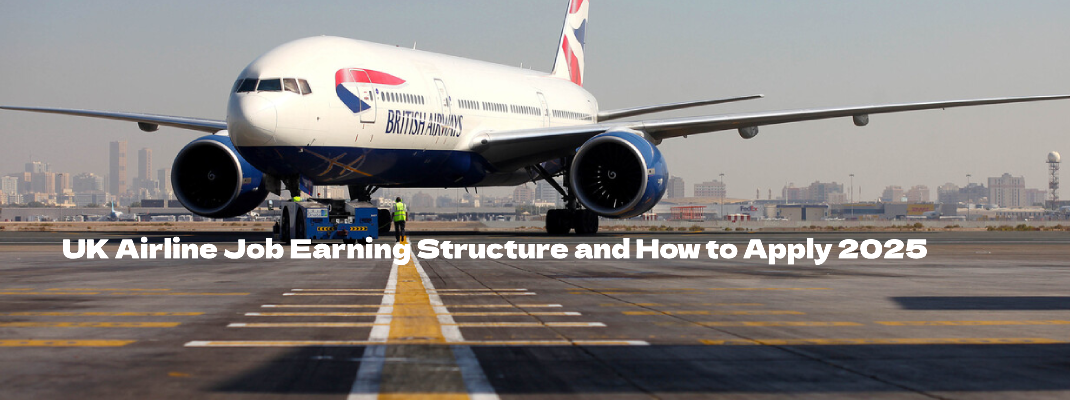
The aviation industry has always been a fascinating and dynamic sector, offering a wide range of career opportunities. Working for a UK airline provides not only the chance to travel the world but also attractive earning potential and benefits. This blog explores the earning structure of various airline roles in the UK, how to apply for these coveted positions, and answers some frequently asked questions about pursuing a career in this exciting field.
Understanding the Earning Structure in UK Airlines
The earning structure in UK airlines varies significantly depending on the role, experience, and the airline itself. Here’s an overview of the most common roles and their earning potential:
1. Pilot Salaries
Pilots are among the highest-paid professionals in the aviation industry. Salaries vary based on experience and rank:
- Trainee Pilots: During training, salaries typically range from £20,000 to £30,000 annually.
- First Officers: Entry-level pilots can expect to earn between £40,000 and £70,000 per year.
- Captains: Experienced captains on major airlines earn anywhere from £90,000 to over £200,000 annually, depending on the airline and the type of aircraft.
2. Cabin Crew Salaries
Cabin crew members, often the face of the airline, also enjoy competitive salaries:
- Starting Salaries: Typically range from £14,000 to £18,000 annually, plus allowances for travel and overnight stays.
- Experienced Crew: With experience, salaries can rise to £25,000 or more, including bonuses and perks.
- Purser or Cabin Manager: Senior roles earn between £30,000 and £40,000 annually.
3. Ground Staff Salaries
Ground staff roles include customer service agents, baggage handlers, and technical staff:
- Customer Service Agents: Earn between £18,000 and £22,000 annually.
- Baggage Handlers: Salaries range from £19,000 to £24,000 per year.
- Technical Staff and Engineers: Skilled technical roles can command salaries from £25,000 to £50,000 annually, depending on experience and specialization.
4. Air Traffic Controllers
Air traffic controllers play a critical role in ensuring the safety and efficiency of air travel:
- Starting Salaries: Range from £25,000 to £30,000 during training.
- Fully Qualified Controllers: Earn between £40,000 and £90,000 annually, with senior controllers earning even more.
5. Management and Administrative Roles
Administrative and management positions in airlines include roles in operations, marketing, and human resources:
- Entry-Level Roles: Start at £20,000 to £25,000 per year.
- Mid-Level Management: Earn between £30,000 and £50,000 annually.
- Senior Management: Can earn upwards of £80,000, depending on the airline and role.
Benefits Beyond the Salary
Working for a UK airline often comes with a host of additional benefits, including:
- Travel Perks: Discounted or free flights for employees and their families.
- Pension Schemes: Generous pension contributions.
- Health Insurance: Access to private healthcare plans.
- Training and Development: Continuous professional development opportunities.
- Bonuses and Incentives: Performance-based bonuses and profit-sharing schemes.
How to Apply for Airline Jobs in the UK
Breaking into the aviation industry requires preparation, persistence, and meeting specific qualifications. Here’s a step-by-step guide:
1. Identify Your Career Path
Decide which role aligns with your skills, interests, and qualifications. Research the responsibilities and requirements for positions such as pilot, cabin crew, ground staff, or administrative roles.
2. Meet the Qualifications
Each role has specific qualifications:
- Pilots: Require a commercial pilot’s license (CPL) and extensive training. Some airlines offer cadet programs for aspiring pilots.
- Cabin Crew: Must meet physical requirements, have excellent customer service skills, and often require GCSEs or equivalent qualifications.
- Ground Staff: Typically require basic educational qualifications and relevant experience.
- Technical Roles: Require specialized training and certifications, such as an engineering degree or a license from the Civil Aviation Authority (CAA).
3. Search for Job Openings
Monitor airline websites and job portals for openings. Some major airlines in the UK include:
- British Airways
- EasyJet
- Ryanair
- Virgin Atlantic
4. Prepare Your Application
Craft a professional CV tailored to the role. Include:
- Relevant experience and skills.
- Certifications and qualifications.
- A cover letter expressing your passion for aviation.
5. Ace the Interview Process
Airlines often have a multi-stage recruitment process, including:
- Online Assessments: Tests on skills, aptitude, and personality.
- Group Activities: Evaluate teamwork and problem-solving abilities.
- Interviews: Include technical questions for specialized roles or customer service scenarios for cabin crew.
6. Complete Training
Many roles require formal training upon selection. Airlines often provide this training, particularly for cabin crew and pilots.
Tips for Success
- Stay Informed: Follow industry news and trends.
- Network: Attend aviation job fairs and connect with professionals in the field.
- Maintain Fitness: Many roles require physical fitness, particularly cabin crew and pilots.
- Showcase Soft Skills: Highlight communication, teamwork, and adaptability.
Common Questions About UK Airline Jobs
Q: What qualifications are needed to become a pilot in the UK?
A: To become a pilot, you need a commercial pilot’s license (CPL), which requires extensive flight training, passing medical exams, and meeting academic requirements. Many airlines offer cadet programs to help aspiring pilots.
Q: How long does it take to become a cabin crew member?
A: The recruitment process can take several weeks, and once selected, you’ll undergo training for 4-6 weeks, depending on the airline.
Q: Are airline jobs physically demanding?
A: Some roles, such as cabin crew and baggage handlers, can be physically demanding. Airlines often have fitness requirements and training to prepare employees for these challenges.
Q: Can I apply for multiple roles at the same airline?
A: Yes, you can apply for multiple roles if you meet the qualifications and requirements for each position.
Q: What is the retirement age for pilots in the UK?
A: The mandatory retirement age for commercial pilots is 65, as per international aviation regulations.
Conclusion
The UK airline industry offers diverse career opportunities with competitive salaries, excellent benefits, and the chance to be part of an exciting, fast-paced environment. Whether you’re interested in flying high as a pilot, ensuring passenger comfort as cabin crew, or contributing from the ground, there’s a role for everyone. By understanding the earning structure and application process, you’re one step closer to embarking on a rewarding career in aviation. Start your journey today and soar to new heights!
I need to travel out